
Care for Nervous & Anxious Patients
Calm, supportive dentistry
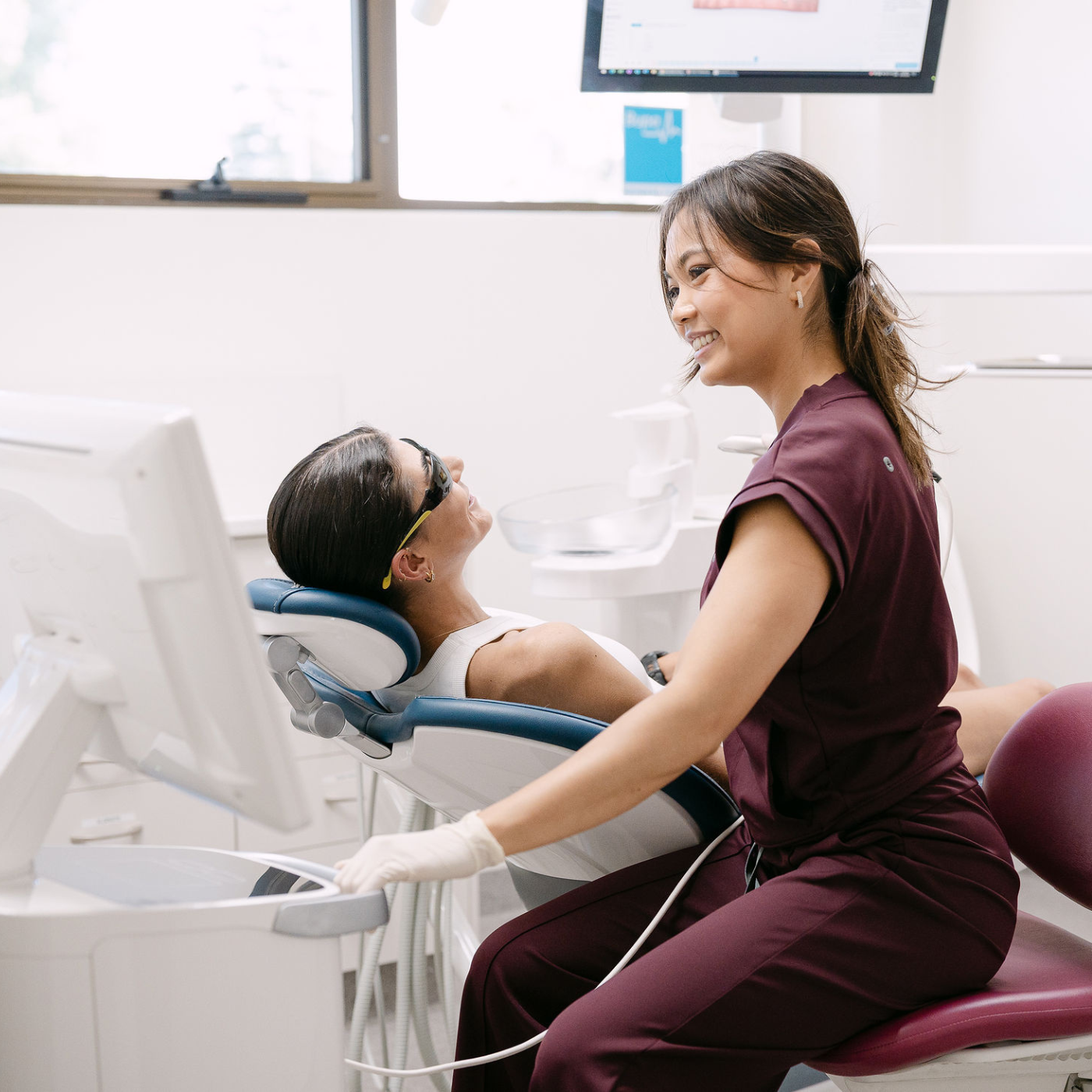
Dental anxiety is common, and you’re not alone. At Victoria Park Dental Care, we provide gentle, understanding care for patients who feel nervous, overwhelmed or unsure about dental treatment.
Our focus is on creating a calm, unhurried environment where you feel safe, heard and in control. Every appointment is guided by clear communication, steady reassurance and the flexibility to slow down whenever you need.
You don’t need to push through discomfort or “be brave.”
You simply need the right support — and that’s what we’re here to provide.
-
We explain each stage of treatment in simple, reassuring language so you always know what to expect and can make informed decisions with confidence.
-
Appointments are paced around your comfort. We check in regularly, pause when needed and move forward only when you feel ready.
-
Every patient is different. We adapt our tone, pace and support style — whether that means gentle reassurance, quiet presence, or light conversation to ease tension.
-
For patients who need additional relaxation, we offer relative analgesia, commonly known as happy gas. This safe, gentle option can help reduce anxiety and make treatment feel more manageable.
-
You can pause, ask questions or adjust your treatment at any time. Feeling in control is central to building trust and creating a more positive dental experience.
Frequently Asked Questions
-
Yes. Many patients feel anxious about dental treatment. Appointments are approached with patience, clear explanations, and flexibility to suit your comfort level.
-
Absolutely. Each step is explained, and you’re encouraged to ask questions or pause treatment at any time.
-
Yes. You remain in control throughout your visit, and treatment can be adjusted or paused whenever needed.
-
Relative Analgesia is a safe and commonly used option that can help reduce anxiety and discomfort during dental treatment. Suitability will be assessed prior to use.
-
Yes. It is entirely optional, and alternative comfort measures are always discussed.